Taraweeh dua is an important part of the spiritual experience for many Muslims during the holy month of Ramadan. Ramadan is a month of mercy, forgiveness, and spiritual renewal. During this blessed month, Muslims around the world dedicate themselves to worship through fasting, Quran recitation, charity, and voluntary prayers. Among the most cherished acts of worship in Ramadan is the Taraweeh prayer, a special nightly prayer performed after Isha. These prayers provide believers with an opportunity to strengthen their connection with Allah, seek forgiveness, and reflect upon the teachings of the Quran.
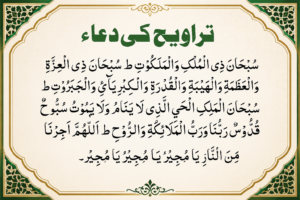
One of the spiritual practices associated with these nightly prayers is the Taraweeh Dua, a supplication recited in many mosques and Islamic communities during Ramadan. While the exact wording may vary from region to region, the essence of this dua remains the same: glorifying Allah, seeking His mercy, and expressing humility before Him. Understanding its meaning and significance can help Muslims perform their worship with greater sincerity and devotion.
What Is Taraweeh?
Taraweeh refers to the voluntary night prayers performed during Ramadan after the obligatory Isha prayer. The word “Taraweeh” comes from the Arabic root meaning “to rest” or “to relax,” as worshippers traditionally take short breaks between sets of prayers.
The Prophet Muhammad (ﷺ) encouraged Muslims to pray during the nights of Ramadan. He said:
“Whoever stands in prayer during Ramadan out of faith and hoping for reward, his previous sins will be forgiven.”
(Sahih al-Bukhari and Sahih Muslim)
This hadith highlights the immense spiritual rewards associated with Taraweeh and the opportunity it provides for seeking Allah’s forgiveness.
Understanding the Meaning of Taraweeh Dua
The Purpose of the Dua
The Taraweeh Dua is not an obligatory component of Taraweeh prayer, but it is widely recited in many parts of the Muslim world as a means of remembering Allah and reflecting on His greatness.
The supplication generally contains themes such as:
- Praising Allah’s majesty and power
- Seeking forgiveness for sins
- Asking for guidance and mercy
- Expressing gratitude for Allah’s blessings
- Requesting protection from punishment
These themes align closely with the teachings of the Quran and Sunnah regarding sincere worship and supplication.
Core Messages Within the Dua
The Taraweeh Dua often reminds believers that:
- Allah is the Most Merciful and Most Forgiving.
- Human beings are dependent upon Allah’s guidance.
- Forgiveness is always available for those who sincerely repent.
- Success in this life and the Hereafter comes through obedience to Allah.
These powerful messages encourage Muslims to reflect deeply during Ramadan and renew their commitment to faith.
The Significance of Taraweeh Dua in Ramadan
Strengthening the Connection with Allah
Ramadan is a time when Muslims strive to increase their worship and remembrance of Allah. The Taraweeh Dua serves as a reminder of Allah’s mercy and helps worshippers maintain focus during long nights of prayer.
Allah says in the Quran:
“And when My servants ask you concerning Me, indeed I am near. I respond to the invocation of the supplicant when he calls upon Me.”
(Surah Al-Baqarah 2:186)
This verse emphasizes the importance of making dua and turning to Allah with sincerity.
Encouraging Reflection and Humility
The words of the Taraweeh Dua encourage believers to recognize their shortcomings and seek Allah’s forgiveness. This spirit of humility is essential for spiritual growth and personal development.
The Prophet Muhammad (ﷺ) frequently made dua and taught his companions to turn to Allah in every situation. Taraweeh prayers provide a perfect opportunity to follow this prophetic example.
Reinforcing the Spirit of Ramadan
Ramadan is more than abstaining from food and drink. It is a month of self-discipline, reflection, and spiritual transformation. The Taraweeh Dua reinforces these values by reminding worshippers of their purpose and dependence on Allah.
Quranic Foundations of Supplication
Allah Commands Believers to Make Dua
The Quran repeatedly encourages believers to call upon Allah.
Allah says:
“Call upon Me; I will respond to you.”
(Surah Ghafir 40:60)
This divine promise demonstrates the significance of supplication in Islam.
The Example of the Prophets
Many prophets mentioned in the Quran made heartfelt supplications during times of hardship and blessing.
For example, Prophet Ibrahim (AS) prayed:
“My Lord, make me an establisher of prayer, and [many] from my descendants.”
(Surah Ibrahim 14:40)
Similarly, Prophet Yunus (AS) called upon Allah during his distress, and Allah answered his prayer.
These examples teach Muslims the importance of regularly turning to Allah through dua.
Spiritual Benefits of Taraweeh Dua
Seeking Forgiveness
One of the greatest blessings of Ramadan is the opportunity to attain forgiveness.
The Prophet Muhammad (ﷺ) said:
“Whoever fasts Ramadan out of faith and seeking reward will have his previous sins forgiven.”
(Sahih al-Bukhari)
When combined with sincere dua and repentance, Taraweeh prayers become a powerful means of spiritual purification.
Increasing Faith (Iman)
Reciting and reflecting upon the Taraweeh Dua helps strengthen a believer’s faith by increasing awareness of Allah’s presence and mercy.
Every supplication serves as a reminder that ultimate success comes only through Allah’s guidance.
Developing Gratitude
The dua encourages Muslims to appreciate Allah’s countless blessings. Gratitude is a key characteristic of successful believers.
Allah says:
“If you are grateful, I will surely increase you [in favor].”
(Surah Ibrahim 14:7)
Finding Inner Peace
In today’s fast-paced world, many people struggle with anxiety and stress. Taraweeh prayers and supplications provide comfort and tranquility by helping believers place their trust in Allah.
Strengthening Community Bonds
Taraweeh prayers are often performed in congregation, bringing Muslims together in worship. The collective recitation of supplications strengthens unity and reminds believers of their shared faith.
The Role of Quran Recitation During Taraweeh
One of the defining features of Taraweeh is the recitation of the Quran. Many mosques aim to complete the entire Quran during Ramadan, helping worshippers reflect on its message and deepen their understanding of Islam. As believers exchange greetings and learn the ramadan mubarak meaning, they are reminded of the blessings of this sacred month and the importance of drawing closer to Allah through worship.
Building a Strong Quranic Foundation
Before mastering advanced Tajweed rules, learners should first become familiar with the Arabic alphabet, pronunciation, and Quranic reading fundamentals. A structured boot-class program can provide beginners with the essential foundation needed to read the Quran confidently and accurately.
These educational efforts not only improve recitation but also deepen one’s connection with the Quran during Ramadan and beyond.
Authentic Etiquettes of Making Dua
Begin with Praise of Allah
The Prophet (ﷺ) taught believers to start their supplications by praising Allah and sending blessings upon him.
Be Sincere
Allah looks at the sincerity of the heart rather than the eloquence of words.
Have Certainty in Allah’s Response
Muslims should make dua with confidence that Allah hears and responds in the best way.
Be Consistent
Regular supplication is beloved to Allah. Even small but consistent acts of worship carry great rewards.
Common Misconceptions About Taraweeh Dua
Is Taraweeh Dua Mandatory?
No. The Taraweeh Dua is not an obligatory part of the prayer itself. It is a voluntary supplication commonly recited in some communities.
Must It Be Recited in Arabic?
While Arabic is preferred for traditional supplications, Muslims may also make personal duas in their own language.
Does Every Mosque Use the Same Taraweeh Dua?
No. Different regions and communities may use different supplications while maintaining similar themes of praise, forgiveness, and mercy.
How to Make the Most of Taraweeh and Dua
Attend Taraweeh Regularly
Consistency helps build spiritual discipline and strengthens one’s relationship with Allah.
Reflect on Quranic Verses
Rather than merely listening, strive to understand the meanings of the verses being recited.
Make Personal Supplications
Use the blessed moments during Ramadan to ask Allah for guidance, forgiveness, health, and success.
Seek Laylat al-Qadr
The last ten nights of Ramadan contain Laylat al-Qadr, a night better than a thousand months. Increasing worship and dua during these nights brings immense rewards.
Conclusion
The Taraweeh Dua is a beautiful expression of faith, humility, and devotion during the blessed month of Ramadan. While it is not a mandatory part of Taraweeh prayer, its themes of mercy, forgiveness, gratitude, and reliance upon Allah perfectly complement the spiritual atmosphere of Ramadan.
Rooted in the Quranic principles of supplication and inspired by the Sunnah of the Prophet Muhammad (ﷺ), this dua reminds believers of their constant need for Allah’s guidance and mercy. By combining sincere prayer, Quran recitation, reflection, and acts of worship, Muslims can maximize the blessings of Ramadan and strengthen their connection with their Creator. Additionally, learners who wish to improve their Quran reading and understanding can benefit from a structured noor-class, which provides a strong foundation in Arabic letters, pronunciation, and Quranic recitation. Whether through Taraweeh, personal supplications, or seeking knowledge through Quranic studies, every effort made for the sake of Allah brings a believer closer to spiritual success in this life and the Hereafter.
Frequently Asked Questions (FAQs)
What is the Taraweeh Dua?
Taraweeh Dua is a supplication commonly recited during Taraweeh prayers in Ramadan. It usually includes praise of Allah, requests for forgiveness, and prayers for guidance and mercy.
Is Taraweeh Dua mentioned in the Quran?
The specific Taraweeh Dua is not mentioned in the Quran. However, the Quran strongly encourages believers to make supplications and remember Allah frequently.
Is reciting Taraweeh Dua compulsory?
No. Taraweeh Dua is not an obligatory part of Taraweeh prayer. It is a recommended and beneficial practice in many communities.
Can I make my own dua during Taraweeh?
Yes. Muslims are encouraged to make personal supplications in any language, especially during moments of worship and reflection.
What are the benefits of Taraweeh prayers?
Taraweeh prayers help strengthen faith, increase closeness to Allah, promote forgiveness, and provide spiritual growth during Ramadan.
How can I improve my Quran recitation for Taraweeh?
Learning Quranic pronunciation through Tajweed studies and consistent practice can significantly improve recitation quality and understanding.
